San Diego County pool resurfacing and replastering
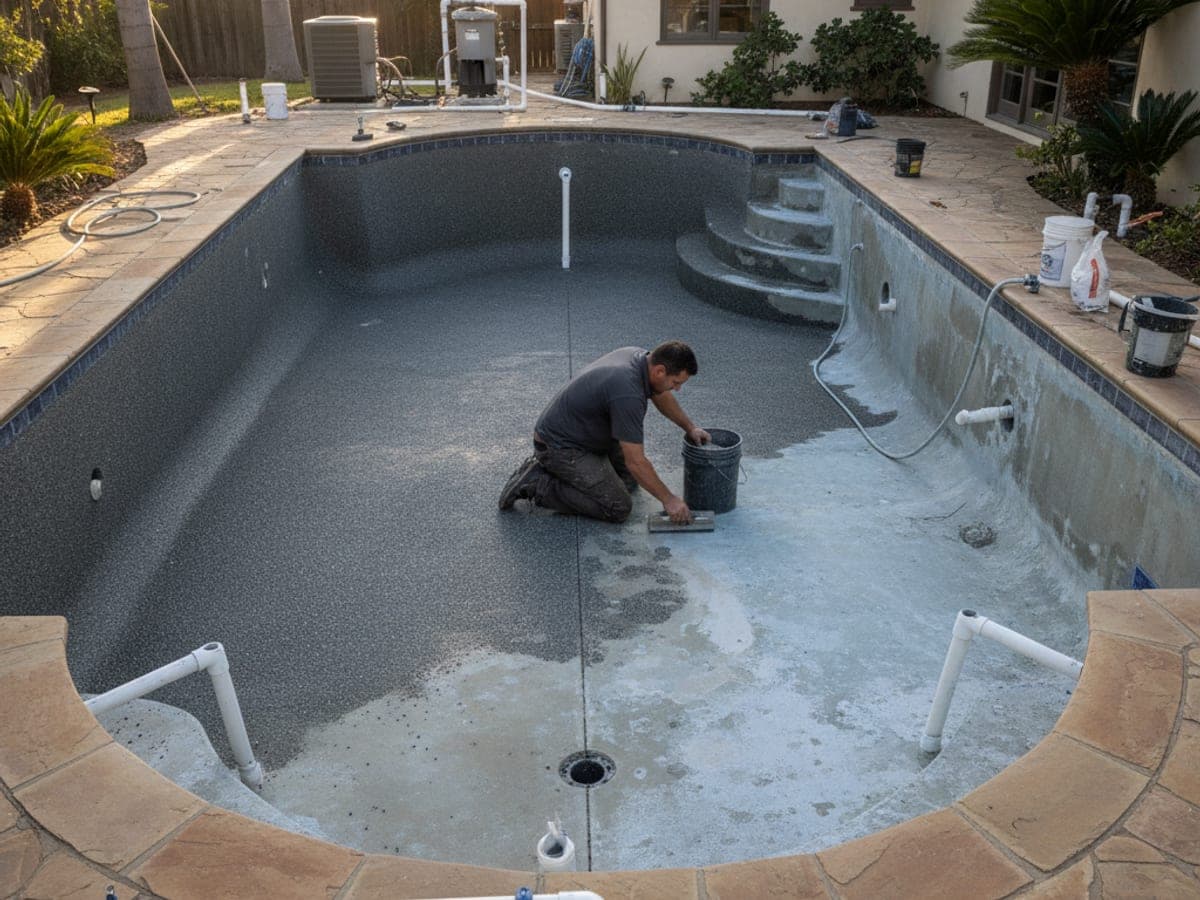
During resurfacing, the pool is drained and prepped to receive a new finish. Note the existing finish and the condition of the surface you observe, then have a matched specialist evaluate the shell before receiving a written quote with options in plaster, pebble, or quartz.
What should a pool resurfacing quote cover?
Have the matched company state in its written scope whether resurfacing covers draining and prep, tile and coping replacement as needed, finish options in plaster, pebble, or quartz, plus start-up chemistry on refill. A licensed independent pro provides the actual quote after discussion and assessment.
- Confirm draining and surface prep, chip-out or acid wash based on condition, in the written scope
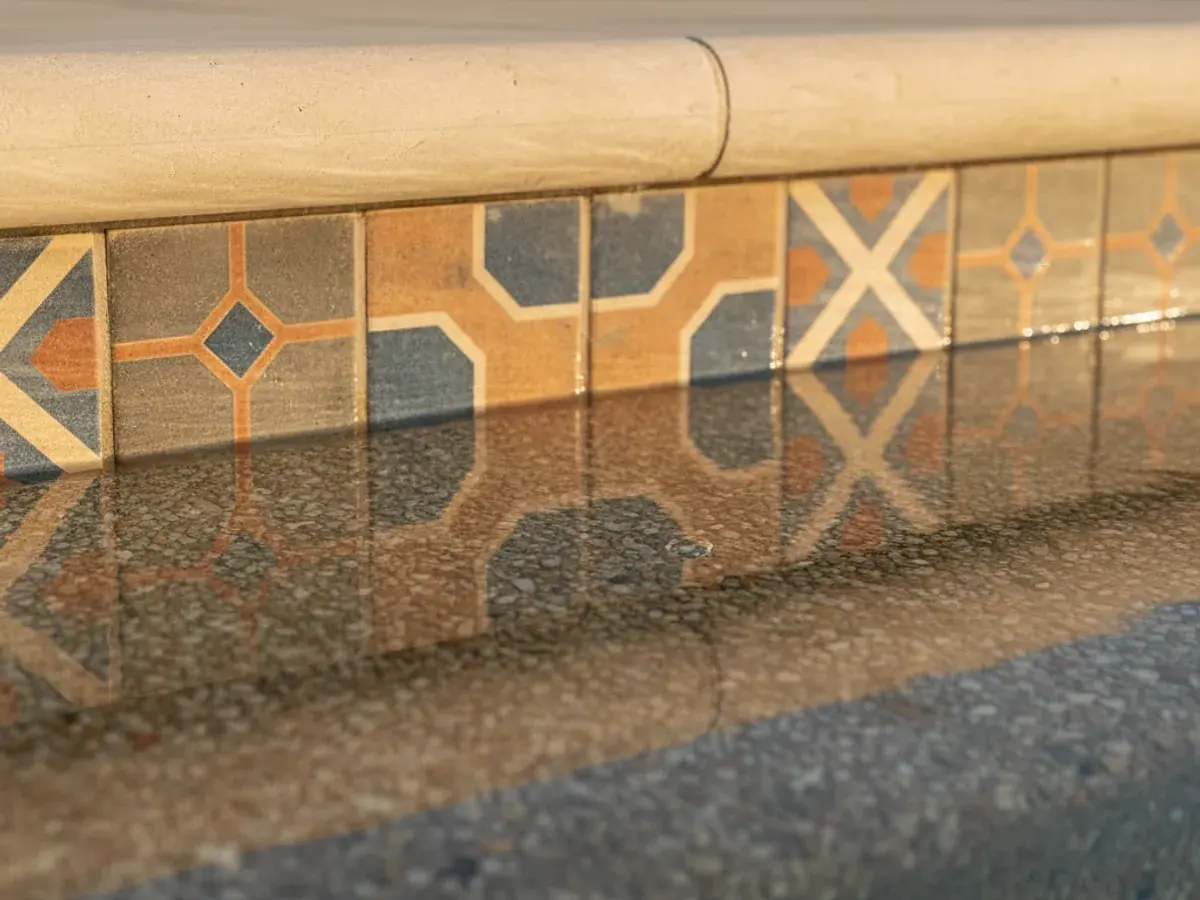
- Verify tile and coping replacement if needed
- Verify plaster, pebble, or quartz finish choices in the quote
- Verify start-up chemistry balancing during fill
- Verify whether startup chemistry monitoring appears in the written scope
What details should you note and verify before accepting a pool resurfacing quote?
To prepare for a new finish, resurfacing involves draining and cleaning the pool's surface. Take a photo of the current surface, note the finish, and ask for a quote in writing covering plaster, pebble, or quartz, along with product care details and warranty terms.
- Describe whether the surface feels rough or chalky underfoot
- Describe any staining that won't lift regardless of scrubbing
- Describe any visible etching, pitting, or calcium buildup
- Take photos of the existing finish, then ask for a written quote on a new surface
- Mention if you're preparing the home for sale or remodeling around the pool
Searching for a pool resurfacing pro in San Diego County?
Once patching stops holding, resurfacing becomes the fix: removing the old surface from the shell and applying a new one. The warning signs are consistent: rough texture underfoot, spreading stains that won't brush out, plaster gone chalky, or algae returning to the same spots because it has somewhere to root. A specialist checks both the shell and the water chemistry together, since chemistry is usually what shortened the last surface.
- Rough or pitted texture that catches feet and swimsuits
- Plaster that turns chalky and clouds the water when brushed
- Stains that reappear in the same spots repeatedly
- Aggregate showing through or visible patches from past repairs
- Algae returning to the same areas, indicating the surface has become porous
Common problems and their typical causes
These are the failures that bring in resurfacing calls across San Diego County. The cause listed is where a competent technician starts, not a diagnosis from a distance.
- Plaster that feels rough or chalky on your feet
- The cement paste has worn away from the surface, marking the end of that finish rather than something a cleaning can fix.
- Grey or mottled stains that brushing won't remove
- Mineral deposits or spot etching in most cases, and the pattern reveals the water chemistry behind it.
- Pebble finish shedding stones
- The aggregate has lost its bond to the substrate, and patch work almost never lasts.
- Cracks in the shell
- Shrinkage cracks are cosmetic while structural ones are not, and you distinguish them by their pattern and depth.
- Waterline tile falling off
- Bond beam movement or failed thinset, and getting it diagnosed early can prevent a full resurface down the road.
What do homeowners ask about Resurfacing?
How long does a new pool surface typically last?
How long a finish lasts depends on material type, water chemistry and balance history, hard water and scale, sun and heat exposure, and maintenance history. Standard plaster is the softer common option. Quartz holds up better than that plaster, and pebble finishes, PebbleTec and Pebble Sheen among them, hold up better still. Aggressive water chews through any of these finishes faster, so inspect the surface and ask the licensed contractor for written warranty terms.
What really distinguishes plaster, quartz, and pebble from each other?
Plaster costs the least and feels smoothest underfoot. Quartz blends crystalline aggregate into the mix, giving it greater durability and a brighter sheen. Pebble relies on exposed aggregate for a textured appearance that outlasts both alternatives but feels rougher on bare feet.
Is it a good idea to replace tile and coping alongside the surface?
In most cases, yes. Installing new tile and coping while the pool is already drained for a fresh surface is far simpler than coming back later to handle it as a separate project.
Where do we offer Resurfacing in San Diego County?
The network covers resurfacing in every city and community across San Diego County. Pick yours to see details specific to your area, including water hardness, local pool challenges, and city-specific FAQs.
See all 67 cities and communities
Need resurfacing in San Diego County?
Call and describe the problem. We'll route it to a specialist who handles it.